Assistive Pill Splitting Device for a Client with Dystonia
Designed and prototyped an assistive pill splitting device for a client with dystonia, enabling safe, accurate, and repeatable pill splitting into halves and quarters. Led concept development and team decision making through a structured design process, with the final solution placing third out of 217 teams and being adopted by the client in real life.
Overview
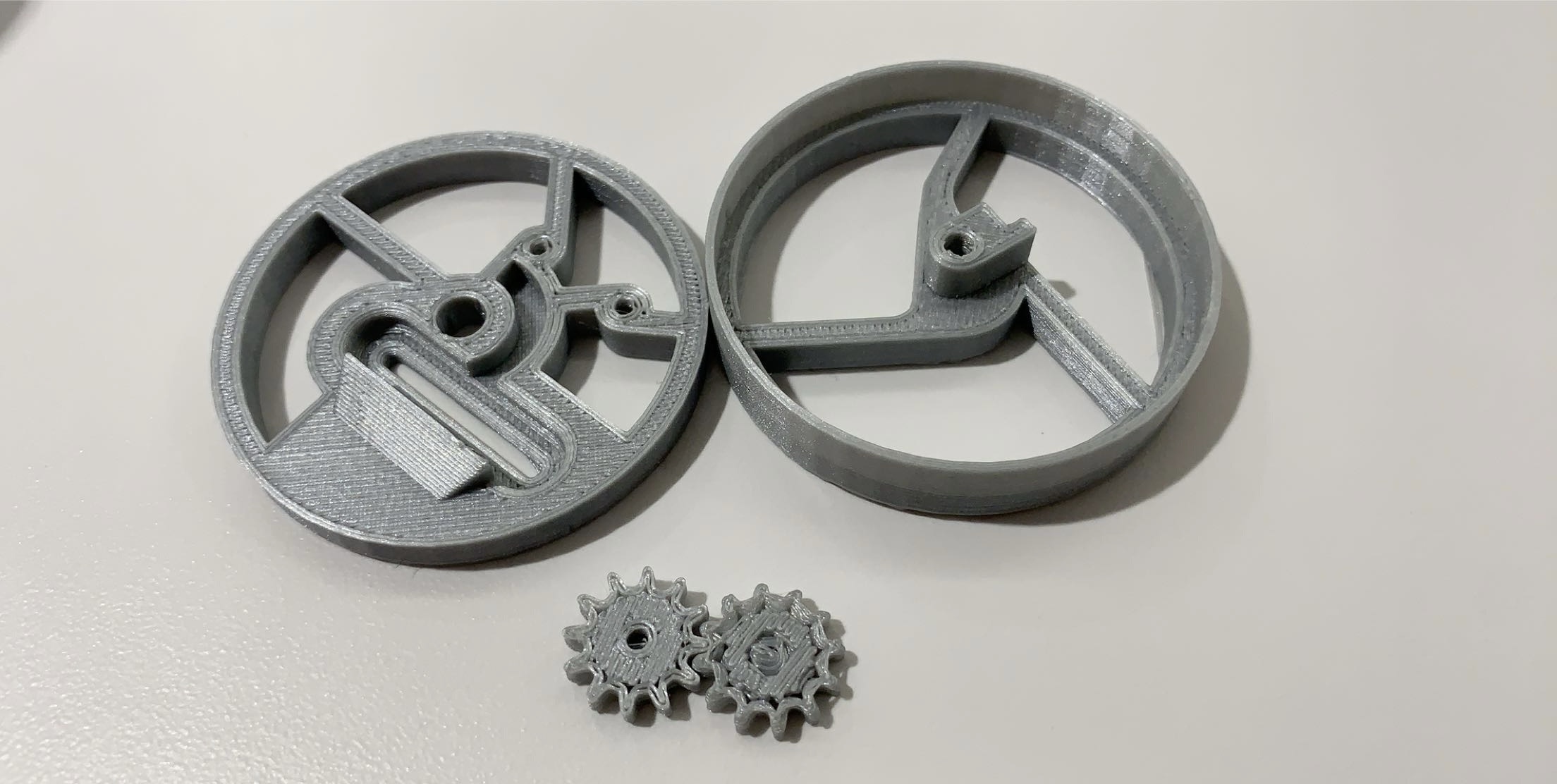
As part of a client based design project in Engineering Practice and Profession at McMaster University, our team developed an assistive pill splitting device for a client living with dystonia. Dystonia is a neurological movement disorder that can make fine motor tasks difficult by affecting muscle control and hand function. After hearing the client describe the difficulty of splitting medication into the correct daily doses, I identified this as a meaningful opportunity to improve her independence. I proposed an ergonomic twist based pill splitting concept, helped coordinate the team, and drove decision making throughout the project. We evaluated multiple concepts, selected the strongest design using a decision matrix, then modeled, 3D printed, assembled, and tested the final device. The project placed third out of 217 teams, and the client ultimately used the device in real life.
The Challenge
The client needed to split medication into specific doses each day, including halves and quarters, but traditional pill splitters required fine hand control that she did not have because of dystonia. This made her dependent on someone else to help prepare her medication. The goal was to design a device that was safe, simple, easy to grip, and capable of splitting one pill at a time accurately and repeatably while allowing for greater independence in daily use.
Approach
After listening to the client explain her daily challenges, I came up with the idea of a cylindrical pill splitting device inspired by the form of a twist grinder. The larger shape made it easier to hold, while the twisting motion made operation more accessible than a conventional handheld splitter. I helped coordinate the team, led concept selection, and drove the design direction from early ideation through final evaluation. We developed several concepts and assessed them using a decision matrix based on simplicity, manufacturability, repeatability, reliability, accuracy, and portability. Once we selected the final concept, we designed the device in Autodesk Inventor as a team, produced a PLA prototype through 3D printing, assembled it using glue and press fitting, and tested it to validate performance. After early testing, we refined the blade position and auto alignment features to improve reliability and ease of use before presenting the final design.
Key Decisions
- Ergonomic form factor — The cylindrical design created a larger gripping surface that was easier for the client to hold and operate.
- Accessible operating motion — The twist based mechanism reduced the need for the fine hand control required by traditional pill splitters.
- Built in safety — The blade was enclosed and inaccessible during operation, and the user’s hands were kept away from the cutting area.
- Automatic pill alignment — The device was designed so the pill aligned itself during rotation, improving consistency and ease of use.
- Reliable dosing support — The final design could split pills into both halves and quarters in a repeatable way.
- Structured concept selection — The team used a decision matrix to compare design concepts against clearly defined engineering criteria.
Results
The final prototype performed well in testing and successfully addressed a real accessibility challenge. After team testing and presentation, the client tested the device herself and it proved effective in use. Our project placed third out of 217 teams based on overall performance, and I received an Engineering Certificate of Achievement from McMaster University. The most meaningful outcome was that the client went on to use the device in real life, showing that the design delivered practical everyday value rather than remaining only a classroom concept.